
15 Essential Gardening Tools Every Beginner Should Own


Starting a garden can be exciting, especially when you see your first seedlings emerge from the soil. But having the right tools can make gardening much easier, more enjoyable, and less tiring.
You don't need a shed full of expensive equipment to get started. A few reliable gardening tools can handle most everyday tasks, from preparing soil and planting seeds to watering, pruning, and harvesting.
Whether you're growing vegetables in your backyard, maintaining flower beds, or keeping a few plants on your balcony, these 15 essential gardening tools for beginners are worth having in your collection.
Why Having the Right Gardening Tools Matters
Gardening involves many different tasks, and each one is easier when you use the appropriate tool. Trying to dig hard soil with a small hand tool or prune branches with an unsuitable pair of scissors can damage plants and make the work unnecessarily difficult.
Good gardening tools can help you:
Prepare and cultivate soil more efficiently
Plant seeds and seedlings with greater accuracy
Water plants properly
Remove weeds without disturbing nearby plants
Prune and maintain healthy growth
Harvest vegetables, fruits, herbs, and flowers
Reduce hand and back strain
Save time during regular garden maintenance
The goal isn't to buy everything at once. Start with the tools you are most likely to use and gradually expand your collection as your garden grows.
15 Essential Gardening Tools for Beginners
1. Gardening Gloves

A good pair of gardening gloves should be one of the first things you buy.
Gloves protect your hands from thorns, rough plant stems, soil, insects, and small cuts while you're working. They can also prevent dirt from getting underneath your fingernails.
Choose gloves that fit comfortably and provide enough flexibility to handle seeds and small plants. For general gardening, breathable and durable materials are ideal.
Best for: Planting, weeding, pruning, handling soil, and general garden maintenance.
2. Hand Trowel

A hand trowel is one of the most useful tools for beginner gardeners.
This small handheld tool is perfect for digging planting holes, transplanting seedlings, mixing soil, and adding compost around plants. Its compact size also makes it particularly useful when working in containers or raised beds.
Look for a trowel with a comfortable grip and a sturdy metal blade.
Best for: Planting flowers, vegetables, herbs, and seedlings.
3. Garden Hand Fork

A hand fork looks simple, but it has many uses.
Its narrow tines help loosen compacted soil, remove small weeds, mix organic matter into the soil, and break apart clumps of dirt. It is especially useful in small garden beds where larger tools are difficult to maneuver.
Best for: Loosening soil, weeding, and mixing compost.
4. Pruning Shears

Plants don't always grow exactly where you want them to. That's where pruning shears come in.
Pruning shears, also called hand pruners or secateurs, are designed to cut small branches, stems, dead flowers, and unwanted growth.
Regular pruning can help improve airflow, remove damaged plant material, and encourage healthy new growth.
When choosing pruning shears, look for sharp, durable blades and a comfortable handle.
Best for: Pruning flowers, herbs, shrubs, fruit plants, and small branches.
5. Garden Spade

A garden spade has a relatively flat, sturdy blade and is useful for digging and moving soil.
Unlike a small hand trowel, a spade gives you more leverage and allows you to work on larger garden beds. It can also be used to create planting holes, divide plants, and move compost or soil.
Best for: Digging, transplanting larger plants, edging beds, and moving soil.
6. Garden Shovel
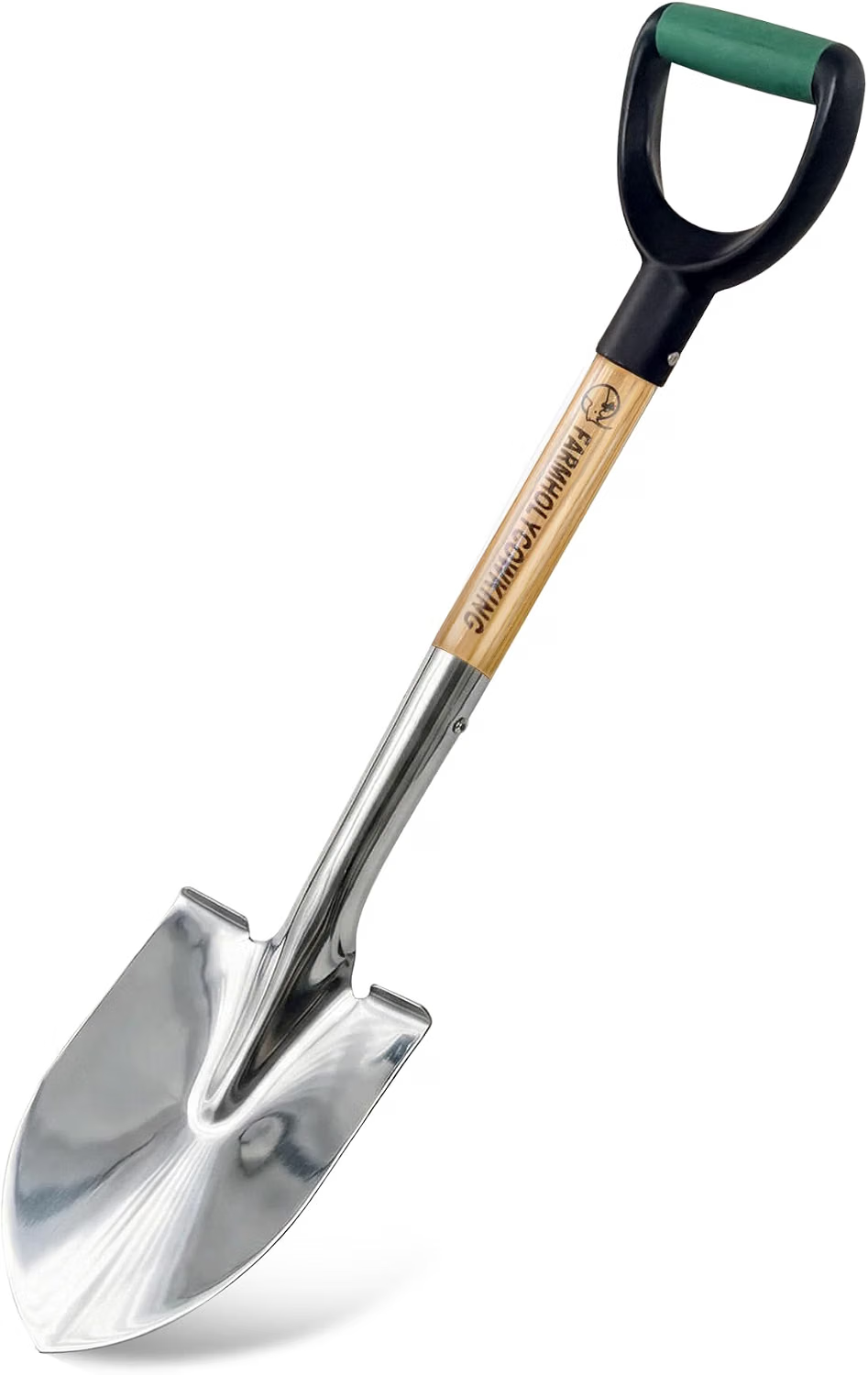
Although often confused with a spade, a garden shovel generally has a more rounded or curved blade that makes it useful for scooping and moving loose materials.
It can help you move soil, compost, mulch, and other garden materials around your yard.
If you're starting a larger garden, a sturdy shovel quickly becomes one of your most frequently used tools.
Best for: Moving soil, compost, mulch, and other materials.
7. Garden Hoe

A garden hoe is an excellent tool for preparing soil and controlling weeds.
The blade can be used to loosen the upper layer of soil and cut young weeds before they become established. Hoeing can also help create shallow planting furrows for seeds.
Use a hoe carefully around established plants so you don't damage their roots.
Best for: Weeding, cultivating soil, and creating planting rows.
8. Garden Rake

A garden rake helps keep your garden clean and your soil properly prepared.
You can use it to collect leaves, grass clippings, and other garden debris. A sturdy garden rake can also help level soil and break up small clumps before planting.
For larger yards, a rake can save considerable time compared with collecting debris by hand.
Best for: Cleaning garden beds, leveling soil, and collecting leaves and debris.
9. Watering Can

Proper watering is essential for healthy plants, particularly during hot and dry periods.
A watering can gives you better control over how much water reaches your plants. Models with a removable rose or sprinkler head can provide a gentler stream that is less likely to disturb seeds or young seedlings.
For container gardening, a watering can is especially convenient.
Best for: Watering seedlings, potted plants, flowers, and small garden beds.
10. Garden Hose

For larger gardens, a garden hose can make watering much faster and easier.
Consider choosing a hose that is long enough to reach the areas you need without being unnecessarily difficult to store. A hose nozzle with adjustable spray settings can also help you switch between gentle watering and stronger cleaning or soil-wetting streams.
Avoid using an overly powerful spray directly on delicate seedlings.
Best for: Watering larger gardens, lawns, and garden beds.
11. Garden Kneeler or Kneeling Pad

Gardening often involves spending a lot of time close to the ground.
A garden kneeling pad provides cushioning while you're planting, weeding, or pruning low-growing plants. A garden kneeler with handles can also provide additional support when getting up and down.
This may not seem essential when you first start gardening, but you'll appreciate it after several hours working in your garden.
Best for: Planting, weeding, pruning, and working in low garden beds.
12. Wheelbarrow or Garden Cart

Moving bags of soil, compost, mulch, stones, plants, and gardening tools can quickly become difficult without the right equipment.
A wheelbarrow or garden cart allows you to transport heavier materials with less effort.
If you have a small garden, you may not need one immediately. However, anyone planning a larger backyard garden will likely find it extremely useful.
Best for: Transporting soil, compost, mulch, plants, tools, and garden waste.
13. Weeding Tool

Weeds compete with garden plants for water, nutrients, light, and growing space.
A dedicated weeding tool makes it easier to remove unwanted plants, especially those with long or stubborn roots.
For small gardens, a handheld weeder is often enough. Choose one with a comfortable grip and a sturdy tip that can reach into the soil without easily bending.
Best for: Removing weeds around vegetables, flowers, and other plants.
14. Garden Scissors

While pruning shears are designed for thicker stems and branches, garden scissors are useful for smaller, more delicate jobs.
You can use them to harvest herbs, trim small stems, remove damaged leaves, open seed packets, and perform other light garden tasks.
Keeping a dedicated pair of scissors in your gardening toolbox can save you from constantly searching for household scissors.
Best for: Harvesting herbs, trimming leaves, cutting twine, and light pruning.
15. Garden Tool Storage Bag

Once you have several gardening tools, you'll need somewhere to keep them.
A garden tool bag or organizer keeps your hand tools together and makes them easier to carry around the garden. Look for a durable bag with several pockets for separating trowels, pruners, gloves, scissors, and other small tools.
Keeping your tools organized also helps prevent them from being misplaced or left exposed to moisture.
Best for: Storing and transporting small gardening tools.
How to Choose Gardening Tools as a Beginner
With so many gardening products available, choosing your first set of tools can feel overwhelming. Fortunately, you don't need the most expensive equipment.
Here are a few things to consider.
Choose Quality Over Quantity
It's better to own a few sturdy tools than a large collection of poorly made ones.
Look for tools with strong handles, durable blades, and comfortable grips. Quality tools can last for years when properly maintained.
Consider the Size of Your Garden
Your garden size should influence the tools you purchase.
For a balcony or container garden, you may only need gloves, a trowel, hand fork, pruning shears, scissors, and a watering can.
For a larger backyard garden, you may eventually need a shovel, spade, hoe, rake, hose, wheelbarrow, and other larger tools.
Think About Your Plants
Different plants require different levels of maintenance.
If you're growing herbs and leafy vegetables, hand tools and scissors may be enough. If you're growing fruit trees, shrubs, or larger plants, pruning equipment becomes more important.
Choose Comfortable Handles
Gardening can involve repetitive movements, so comfort matters.
Tools with ergonomic handles can make extended gardening sessions easier on your hands and wrists. Whenever possible, hold a tool before buying it to make sure it feels comfortable.
How to Maintain Your Gardening Tools
Buying good tools is only half the job. Proper maintenance can significantly extend their useful life.
Clean Tools After Use
Remove soil and plant debris from your tools after gardening. Dirt left on metal surfaces can contribute to rust and corrosion.
Dry Your Tools
Don't store wet tools in a closed container or bag. Allow them to dry thoroughly before putting them away.
Keep Cutting Tools Sharp
Pruning shears and garden scissors work better when their blades are sharp. Dull blades may crush stems instead of making clean cuts.
Store Tools Properly
Keep your gardening tools in a dry, organized location. Hanging larger tools off the ground can help keep them accessible and reduce unnecessary moisture exposure.
Disinfect Pruning Tools
When moving between plants, particularly when removing diseased plant material, cleaning and disinfecting cutting tools can help reduce the chance of transferring plant pathogens.
Final Thoughts
Gardening doesn't have to be complicated, and you certainly don't need a garage filled with equipment to grow healthy plants.
The 15 essential gardening tools for beginners listed above cover many of the basic tasks you'll encounter, including digging, planting, watering, weeding, pruning, harvesting, and cleaning.
Start with the tools that match your garden's size and your plants' needs. As you gain experience, you'll quickly discover which tools you use most often and which specialized equipment is worth adding to your collection.
Remember, the best gardening tool isn't necessarily the most expensive one—it's the one that is comfortable, durable, easy to use, and suited to the job.
With the right tools in hand and a little patience, you'll be well prepared to turn your gardening plans into a thriving and rewarding garden.



Comments