
How to Tell When Your Plants Need Water

Keeping plants healthy and thriving is a rewarding endeavor, but understanding their watering needs can sometimes be a challenge. Overwatering and underwatering can both lead to issues, so it's essential to learn how to tell when your plants need water. In this blog post, we'll explore various signs that indicate your plants are thirsty, along with tips and tools to help you maintain the perfect moisture balance.
Signs Your Plants Need Water
1. Soil Moisture Levels
One of the most straightforward ways to determine if your plants need water is by checking the soil moisture. Here are a few techniques to assess soil moisture: - **Finger Test**: Insert your finger into the soil about an inch deep. If the soil feels dry at this depth, it's time to water. If it feels moist, wait a few days before checking again. - **Soil Moisture Meter**: For a more precise measurement, consider using a soil moisture meter. These handy devices can give you an accurate reading of the moisture level in the soil, helping you avoid over or under-watering.
2. Leaf Condition
The leaves of your plants can provide valuable clues about their water needs:
Wilting Leaves: If the leaves begin to droop or wilt, it's a clear sign that your plant is thirsty. However, be cautious, as wilting can also be a symptom of overwatering.
Crispy Edges: Leaves with crispy or brown edges often indicate underwatering. This is particularly common in plants with thick, succulent leaves.
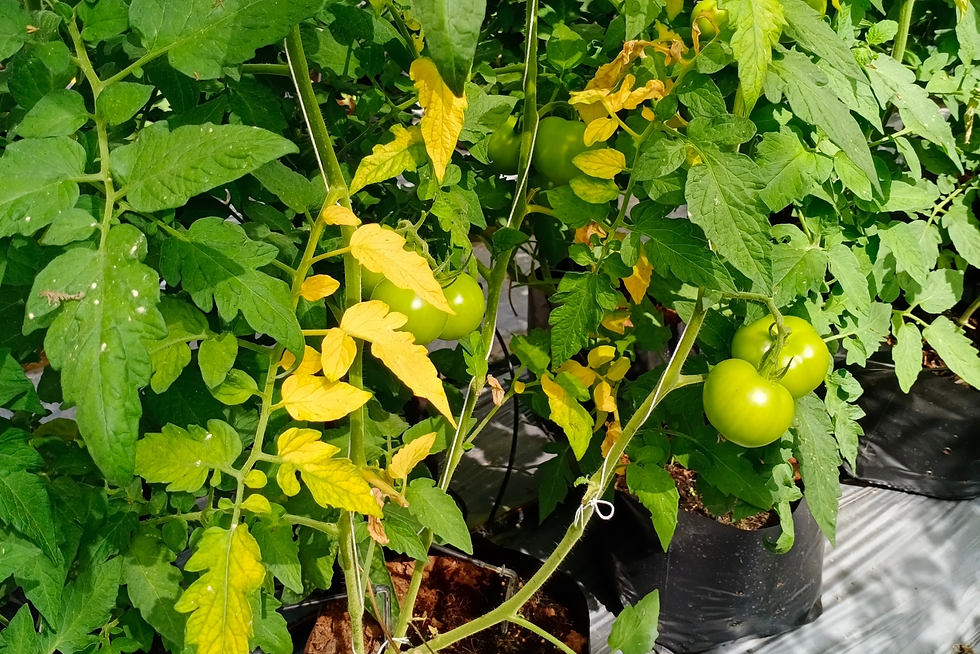
Yellowing Leaves: While yellowing can also indicate overwatering, if it occurs alongside dry soil, it may suggest that your plant is not receiving enough water.
3. Plant Weight
Another effective method to determine if your plant needs water is by lifting the pot. A pot that feels significantly lighter than usual likely indicates that the soil has dried out. This method can be especially useful for larger plants where soil moisture isn't easily assessed by touch.
4. Surface Cracking
If you notice cracks forming on the surface of the soil, this is a strong indication that your plant is desperate for water. Cracks occur when the soil dries out significantly, and it's crucial to water your plant promptly to restore moisture.
5. Time of Year
Seasonal changes can affect how often you need to water your plants. During warmer months, plants typically require more water due to increased evaporation rates. Conversely, during colder months, many plants enter a dormant phase and require less frequent watering.
Tools and Products to Help You Monitor Water Needs
To assist you in maintaining the right moisture levels for your plants, consider investing in the following tools:
Soil Moisture Meter:

As mentioned earlier, a soil moisture meter is an excellent tool for accurately gauging soil moisture levels. Brands like Gardena and Sonkir offer reliable options that can help you avoid overwatering.
Watering Can with Measurement Markings:

A watering can with measurement markings can help you control the amount of water you give your plants, ensuring they receive just the right amount.
Self-Watering Planters:

These planters come with a reservoir that allows plants to absorb water as needed, making it easier to maintain optimal moisture levels, especially if you travel frequently or have a busy schedule.
Conclusion
Understanding when your plants need water is crucial for their health and longevity. By observing soil moisture, leaf condition, and employing helpful tools, you can ensure your plants receive the care they need. Remember that each plant species may have different watering requirements, so it's essential to research the specific needs of your plants. With a little attention and care, your plants will flourish and bring beauty to your space. Happy gardening!


Comments